Blog / Buick

Leasing vs. Buying a Car: Pros, Cons, and Tips for Getting Your Next Ride

Leasing vs. Buying
Are you in the market for a new vehicle? Chances are you’ve heard about leasing a car, which has become the mainstream alternative to purchasing a car.    Generally speaking, using a conventional car loan to buy a car means that you borrow from a lender and make monthly payments each month for a certain number of years. Most of each payment goes toward the principal as you build equity, while a remaining portion is reserved for interest. You technically own the car, and you can make any modifications to it that you wish. Once the principal is paid down and your equity is built, you own the car free and clear—meaning your debt to the lender is fulfilled. When you lease a car, you basically pay the value that the car depreciates, which means your monthly payments are cheaper. However, you never own the car unless you agree to buy it at the end of the lease, which means there are restrictions and potential fees associated with driving the car. Leasing is becoming increasingly popular among Americans, and in 2018, about 30% of consumers opted to lease a car rather than buy one. Just like renting or purchasing a home, there are advantages and disadvantages either way you go.   LEASING—PROS AND CONS So, let’s start with the pros and cons involved with leasing a vehicle:   Pros of Leasing When it comes to upfront costs, leasing a car is significantly less expensive. Since you’re not paying on any principal, the monthly payments are lower than if you were paying a lending company. Leasing vs. BuyingYou’re basically borrowing the car, and whatever value the car depreciates while you drive it is what you pay each month (in addition to finance charges). Lower payments provide the opportunity to drive a newer, nicer vehicle, and driving newer vehicles usually means you will experience less car trouble. Also, since you’re always driving a newer vehicle, it’s likely you will qualify for free maintenance and oil changes under the manufacturer’s warranty. There are also conveniences with leasing a car. For instance, you don’t have to concern yourself with the vehicle’s trade-in value, especially if you don’t plan on buying it from the dealer after the lease is through. And when the time comes, you don’t have to worry about selling the vehicle, which can be a laborious process. When the lease ends, you simply leave the vehicle with the dealer. Moreover, there may be tax benefits to leasing a car, particularly if you are self-employed or you own a business.   Cons of Leasing You may see now why leasing is appealing to so many people. However, there are plenty of disadvantages that come with it as well. In the long run, you will probably end up paying more if you lease a car instead of buying one. This is mainly because vehicles depreciate at such a fast rate. Therefore, if you keep leasing car after car, your monthly payments never end and you never own a car. There are also restrictions and potential fees to consider when leasing. For example, lease contracts limit the number of miles you can put on the vehicle. Sure, you can go over that limit, but you will pay anywhere between 10 cents and 50 cents for every extra mile. And if you drive under your mileage limit, those miles don’t roll over. Furthermore, you can’t really make any modifications to a vehicle you lease. Some dealers will agree to professional window tinting and maybe a few other exceptions. For the most part, however, you’re expected to return the vehicle stock. Technically, you can make modifications as long as you undo them before bringing the vehicle back. But if you decide to remove that emblem or badge, and it leaves a blemish when you put it back on, you could face some hefty fees. Modifications aside, you have to return the vehicle in good condition. If the vehicle has excessive dings and scratches—anything beyond normal wear and tear—you can expect to pay additional fees. And those who decide to terminate their lease before the contract ends will face significant charges.   The Bottom Line  Leasing a car is cheaper up front, which means you can drive a more expensive car than you could otherwise afford. Also, leasing often comes with free maintenance, and it’s a fairly straightforward process—you use the car and bring it back, without having to worry about selling it. However, leasing costs more money long-term, and there are a lot of restrictions and fees to consider.   BUYING — PROS AND CONS By now you probably have a decent idea of some of the pros and cons involved with buying a car, but let’s expand on them a little bit:   Pros of Buying  Over time, buying a car is a better investment because you’re paying to own the car. The longer you drive a vehicle after it’s paid off, the more value you get out of it. So, in the grand scheme of things, the least expensive way to drive a vehicle is to buy one and drive it until it quits. Also, when you buy a vehicle, there are no additional fees or penalties to worry about. You can make modifications to the vehicle, and you can drive it as much as you want. Plus, you always have the option of selling the car, or you can even trade it in to lower the price of your next car.   Cons of Buying  Though you’re working toward owning a car outright when you purchase it, you still have steeper monthly payments, since you’re paying both principal and interest. And in order to avoid owing more than the vehicle is worth (going upside down in the loan), your down payment will usually be significantly higher. Plus, a manufacturer warranty typically lasts about three years, and you are responsible for all repair and maintenance costs after that. Additionally, the flexibility to trade-in or sell your vehicle whenever you want is nice. However, neither of these is an easy task. Each is often a long, drawn-out process that can be stressful if not overwhelming.   The Bottom Line If you’re focused on the long-term, buying a car is your best option. Not only is it cheaper, but you won’t have to deal with the restrictions and penalties that come with leasing a car. Also, you have the flexibility to trade-in or sell your vehicle whenever you want. However, your monthly payments will be higher, you’ll have to pay for maintenance and repairs, and trading-in or selling the vehicle is often tedious.   WHY THE TIME OF YEAR MATTERS If you’re considering leasing a vehicle, it’s important to understand that when you lease the car can make a difference in how much you pay. Similar to purchasing a car, there are specific times of the year when you can get good deals on a lease.Leasing vs. Buying A lot of dealerships have targets and bonuses for making a certain number of sales by the end of each month and year. So, if you walk into a dealership at the end of the month, there’s a good chance that someone will lower the price to sell a lease in order to hit their target for the month. Your chances are even better if you go in for a lease as the year is coming to a close, because more employees are likely to be scrambling to hit a milestone so they can receive their year-end bonuses. Another common time of year to get good deals is during model changes. Manufacturers often release their new models in late summer or early fall, and if you’re fine with driving last year’s model, you may be able to get a great lease deal when the newer models hit the market. This is primarily because dealerships are eager to make room for the new models, meaning they are more likely to offer lease incentives on the older ones. Then there are the holiday sales, which you’ve probably seen advertised on TV. Particularly around Christmas, Memorial Day, Independence Day, and Labor Day, you can often score some deep discounts on a lease. However, be sure to look at the fine print, because these promotions often come with stipulations. Finally, you can also get lucky if a dealership is experiencing slow business or is having trouble selling a specific model. In sum, try to shop for a lease at the end of the month or year, during a holiday promotion, or when business appears to be slow.   IF YOU DECIDE TO LEASE If leasing sounds like the right thing for your situation, make sure you understand how it works before you walk into the dealership. To gauge your probability of being approved for a lease, check your credit score with one of three major credit bureaus (Experian, TransUnion, Equifax). If you want to be extra thorough, get a report from all three, and make sure any inconsistencies are sorted out. Some leasing companies will only approve customers with a 700 or higher. Even if you get approved with a lower credit score, however, your interest rates are likely to be higher. Also, go through your budget to determine how much you can afford for monthly payments. Generally speaking, you never want your lease payment to exceed 15% of your monthly net pay. And you will also need to factor in costs like insurance and gas.   IF YOU DECIDE TO BUY As with leasing a car, you will need to determine your budget before buying a car. Follow the 15% rule for your car loan, and be sure to consider additional costs like insurance, gas, sales tax, vehicle registration, routine maintenance, and unexpected repairs. Determine a number for how much you can spend on a vehicle, and consider purchasing one that’s a little less expensive than that number. Unless you know the exact model you want, research different vehicles to find a few that could meet your needs. Along with learning more information about models you’re interested in, you can look at MSRPs and see how much they’re going for at different dealerships. That way, you can estimate a fair price and set your limit on what you’re willing to spend when you’re negotiating with dealers. Once you’ve done your research, call a dealership to set up a test drive. Research is important, but actually getting behind the wheel is often what convinces a buyer whether that particular vehicle is the one or not. After a test drive, you’ll be ready to talk prices, start the trade-in/sale process of your current vehicle, close the deal, and drive off in your new ride! Leasing and buying a vehicle both have their pros and cons. If cheaper monthly payments and driving a new car every few years is the most important thing to you, then leasing is probably your best option. If you care more about making a long-term investment and having no monthly payments one day, then you’re likely better off to purchase a vehicle. Just make sure you understand the differences between leasing and buying a car, and either way, come up with a plan before you walk into the dealership.   - Alex Watson

Posted in:

Related Posts

The Real Cost of Waiting: How Fuel Prices and Tariffs Are Shaping Vehicle Prices in the Carolinas

The Real Cost of Waiting: How Fuel Prices and Tariffs Are Shaping Vehicle Prices in the Carolinas

The Real Cost of Waiting in Charlotte: What’s Driving Vehicle Prices Higher If you are planning to buy a vehicle this year, it is worth paying attention to something most people overlook. Prices are not just influenced by demand. They are being pushed by rising fuel costs and global trade pressures, and once those forces start moving, they tend to carry forward for months. What Global Fuel Disruptions Mean for Your Next Vehicle What does the Strait of Hormuz have to do with your next vehicle purchase, and why should you care? More than most people realize. When that shipping lane slows down, fuel prices go up quickly. What follows is less obvious but more important. Even if everything reopened today, the effects would not disappear. Higher fuel and transportation costs are already working their way through the system, and that process usually takes three to six months to fully show up in the price of parts, goods, and vehicles. By the time it reaches the dealership, those increases are already built in. That is how this kind of economy works. It moves slowly, but once it starts, it is difficult to reverse. No matter how you feel about the reasons behind it, the outcome is the same. Costs rise, and they tend to stay elevated longer than expected. Here is the part most people miss. There is a window before the broader market reacts, before inventory tightens, before pricing fully adjusts. That window is where the advantage is. Most buyers will not connect the dots until months from now, when prices are already higher and options are more limited. If you are paying attention, this is your opportunity to move ahead of that curve. Securing the right vehicle now, especially one that helps manage fuel costs over time, is not about rushing into a decision. It is about making a well-timed move while conditions are still in your favor. Tariffs Are Adding to the Upward Pressure Fuel costs are only part of the equation. Economists and suppliers estimate tariffs could add around $3,000 per vehicle on average. For full-size trucks and SUVs, that impact can be even more noticeable due to: Increased material requirements Advanced technology and components Higher transportation costs These increases tend to show up gradually, but once they do, they are rarely temporary. Why This Matters for Drivers in Charlotte and the Carolinas In Charlotte and across North and South Carolina, drivers rely heavily on: Full-size trucks for work and towing SUVs for family travel and daily use Longer commutes across a growing metro area That means both the purchase price and fuel efficiency play a major role in long-term cost. The Opportunity Right Now for High Inventory at Low Prices Current inventory was largely priced before the full impact of these cost increases.  That creates a window where buyers can: Lock in Today’s Pricing Avoid Future Adjustments Choose From a Wider Selection of Available Vehicles For buyers who are paying attention, that timing matters. GMC Options That Balance Power and Efficiency If you are looking to stay ahead of rising costs while maintaining capability and comfort, these GMC models stand out: GMC Sierra 1500 (Duramax Diesel) – Strong towing capability with impressive fuel efficiency for its class GMC Acadia – A refined SUV with practical fuel economy for families GMC Terrain – Efficient, versatile, and well-suited for daily driving GMC Yukon – Full-size capability with improved efficiency and premium comfort These vehicles are built not just for performance, but for long-term value. Market shifts like rising fuel costs and tariffs do not happen all at once, but once they begin, they tend to stay in motion. Waiting can feel like the cautious choice, but in this environment it often means: Paying more later Facing higher operating costs Having fewer options available For drivers in Charlotte and across the Carolinas, making a well-timed decision now can help you stay ahead of those changes and get more value out of your next vehicle. GMC Trucks Charlotte Buick GMC SUV Buyers Start Here Charlotte NC Car Buying - Preowned Buyers Start Here!

firsttimebuyerstrade2025

Liberty Buick GMC Matthews NC - End-of-Year Car Buying Tips

Your Ultimate End-of-Year Car Buying Guide — Liberty Buick GMC in Matthews & Charlotte, NC Serving Matthews, Charlotte, and the surrounding North Carolina communities, Liberty Buick GMC is proud to help buyers make confident decisions during one of the most important vehicle-buying seasons of the year. If you’re planning to purchase a vehicle during the holidays or before year-end, you’re shopping at a time when strong incentives, model-year transitions, and inventory movement can work in your favor. However, the buyers who get the best deals are the ones who come prepared and understand how dealerships evaluate purchases and trade-ins. This end-of-year car-buying guide combines insider knowledge from Greg Mongelli, Lead Sales and Business Management Manager at Liberty Buick GMC, to help both first-time buyers and experienced shoppers get the most value from their purchase. Start Your Year-End Buying Process at Liberty Buick GMC Before visiting the dealership, taking a few proactive steps can save time and reduce stress. Shoppers are encouraged to browse current inventory online at clickliberty.com, get pre-approved for financing, and research their trade-in value ahead of time. These steps create clarity and confidence when it’s time to make a decision. A strong example of current year-end inventory is the 2025 GMC Sierra 1500 Pro, a versatile crew cab truck that offers durability, capability, and long-term value. View this vehicle here: https://www.clickliberty.com/new-Matthews-2025-GMC-Sierra%2B1500-Pro-3GTNHAED6SG272518 End-of-Year Buying Tip #1: Preparation Is Everything Whether you are entering the car market for the first time or upgrading your current vehicle, preparation gives you a clear advantage. One of the most common issues dealerships encounter is buyers arriving without proper identification. A valid driver’s license or state-issued ID is required to move forward with financing and documentation. Forgetting this simple item can delay or prevent completing a purchase. Insurance information is another key detail that buyers frequently overlook. Having your insurance provider selected and bringing relevant contact details, quotes, or policy information allows the transaction to move smoothly and avoids unnecessary delays during a busy holiday season. For younger buyers or those with limited credit history, bringing a co-buyer can significantly improve financing options. A co-buyer can help secure better rates, improve approval odds, and open additional purchasing opportunities. For more “Insider Tips” Watch Greg’s Video on How To Get Your Best Deal https://youtube.com/shorts/4VToOliuFss End-of-Year Buying Tip #2: How Dealerships Really Value Trade-Ins Trade-ins play a major role in end-of-year deals, especially for buyers looking to reduce their overall purchase cost. Many people assume trade-in values are based solely on mileage and condition, but dealerships evaluate vehicles using a broader set of criteria. Factors such as vehicle age, trim level, accident history, maintenance records, and market data all contribute to a trade-in evaluation. However, one of the most overlooked elements is local market demand. If a vehicle is popular and sells quickly in the Matthews and Charlotte area, it may be valued higher than expected. If resale demand is lower, the trade-in value may come in below what an owner anticipates. This is not arbitrary; it reflects real-world resale potential in the local market. During the end-of-year season, demand for certain vehicles can shift due to weather, lifestyle needs, and inventory availability. Trucks and SUVs, for example, often perform well in regional markets, which can positively influence trade-in values. For more “Insider Tips” Watch Greg’s Video on How To Get Your Best Trade-In Deal End-of-Year Buying Tip #3: Timing Is More Than Just the Calendar While December is widely known as a strong buying month, the best deals are not tied to a single day. Inventory levels, manufacturer incentives, and buyer demand can change weekly throughout the holiday season. Successful buyers focus on readiness rather than waiting for a specific date. Knowing your budget, understanding financing options, and being flexible with vehicle selection can significantly improve outcomes. It’s also important to evaluate the entire deal, not just the monthly payment. Trade-in value, interest rate, incentives, and long-term ownership costs all contribute to the overall value of your purchase. End-of-Year Buying Tip #4: Transparency Leads to Better Results Open communication between buyers and dealership professionals helps create a smoother experience. Being upfront about budget, credit history, trade-in expectations, and timing allows the sales team to recommend realistic options and avoid unnecessary back-and-forth. Honest conversations help ensure the vehicle you choose fits both your financial goals and your lifestyle needs. End-of-Year Buying Tip #5: Ask Questions and Stay Informed Buying a vehicle is a significant investment, and informed buyers tend to be more satisfied long term. Asking questions about incentives, financing structures, trade-in calculations, and vehicle features helps eliminate uncertainty. At Liberty Buick GMC, education and transparency are a priority. The goal is to ensure every customer understands their options and feels confident in their decision. Why Trucks Continue to Be a Strong Choice Trucks remain among the most popular vehicles in the North Carolina market. Models like the GMC Sierra are known for strong resale value, versatility, and long-term reliability. For buyers considering a trade-in or new purchase, this category often provides strong value retention. The 2025 GMC Sierra 1500 Pro currently available at Liberty Buick GMC is a solid example of a truck that balances capability with modern features, making it a practical choice for both work and everyday driving. Vehicle details can be viewed here: https://www.clickliberty.com/new-Matthews-2025-GMC-Sierra%2B1500-Pro-3GTNHAED6SG272518 Final Thoughts on Year-End Car Buying The end-of-year buying season presents real opportunities, but the best results come from preparation, understanding the process, and working with experienced professionals. Whether you are purchasing your first vehicle, trading in an existing one, or looking to take advantage of year-end incentives, Liberty Buick GMC in Matthews and Charlotte, NC is here to help guide you through every step. To explore inventory, value your trade, or begin the financing process, visit clickliberty.com.

The Hidden Battery Issue That Costs Drivers Hundreds Every Year

Stop Killing Your Car Battery! Pro Mechanic Shares What Drivers Always Get Wrong

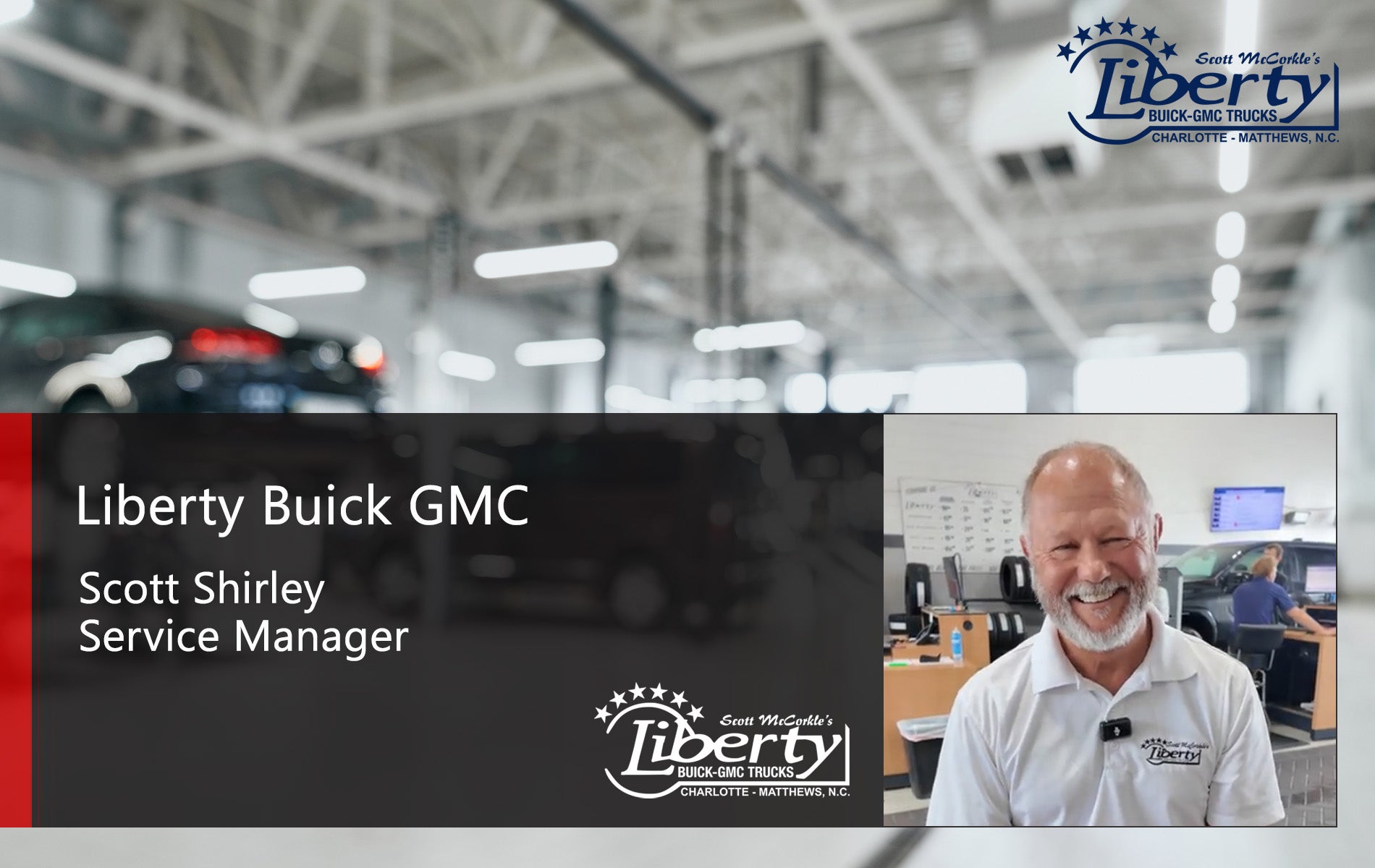
Car Battery Care: Tips, Tricks & Troubleshooting with Scott Shirley at Liberty Buick GMC Your vehicle’s battery is the heart of its electrical system and neglecting it can leave you stranded at the worst possible time. To help drivers stay powered up, Scott Shirley, Lead Auto Mechanic and Service Manager at Liberty Buick GMC, shared his expert insights in our recent video on battery maintenance. In this post, we’ll expand on Scott’s key advice with practical maintenance tips, troubleshooting steps, and must-know facts every car owner should understand. Common Signs Your Battery Might Be Failing Before a battery completely dies, it usually gives a few warning signs: Slow engine crank: The starter motor struggles or hesitates before the engine catches. Dim headlights or interior lights: Low voltage reduces brightness when the car is off. Dashboard battery light: Often indicates a charging system problem, not just the battery. Swollen battery case or corrosion: Heat, overcharging, or leaks can cause visible damage. Clicking noise when starting: Suggests the battery doesn’t have enough power for the starter. Scott Shirley recommends addressing even mild symptoms early. “If your car sounds slower to start, it’s already telling you something — don’t wait until it won’t start at all.” Preventative Maintenance & Best Practices A few simple steps can dramatically extend the life of your car battery: Inspect regularly. Check for corrosion, dirt buildup, or loose cables every few months. Keep it clean. Use a brush and a mix of baking soda and water to remove terminal buildup. Secure the battery. Make sure it’s tightly mounted to prevent vibration damage. Drive longer distances occasionally. Short trips don’t give the alternator enough time to recharge the battery. Avoid parasitic drain. Turn off lights and unplug accessories before leaving the car. Test annually. Have your battery conductance-tested at least once a year, especially before winter or summer extremes. Pro Tip from Scott: “Batteries don’t like extremes. A 110-degree day or freezing morning can finish off a weak one fast.” Step-by-Step: How to Check Your Car Battery Follow these easy steps to inspect and maintain your battery safely: Turn off your engine and open the hood. Look for corrosion around terminals and cables. Check cable tightness — wiggle gently; they shouldn’t move. Read the date code on the top or side — batteries over 4 years old may be due for replacement. Use a voltmeter: 12.6 V = fully charged 12.4 V = partially charged Below 12.0 V = discharged or failing Clean terminals if needed (always disconnect negative (–) first, reconnect it last). Apply anti-corrosion spray or petroleum jelly on terminals before reconnecting. Always wear eye protection and gloves when working around a car battery. Troubleshooting Chart: Common Battery & Starting Issues Myths & Misconceptions The Hidden Battery Issues That Costs Drivers Hundreds Every Year Myth: “My battery is fine because it’s new.” Truth: Even new batteries can fail early due to extreme heat, vibration, or improper charging. Age isn’t the only factor — how and where you drive plays a big role in battery health. Myth: “Jump-starting fixes the problem.” Truth: A jump-start only gets your car running temporarily. It doesn’t solve the underlying issue, which could be a failing alternator, bad connections, or a battery that can no longer hold a charge. Myth: “All batteries are the same.” Truth: Every vehicle requires a specific battery type with the correct cold-cranking amps (CCA), size, and terminal layout. Using the wrong one can shorten lifespan and cause electrical issues. Myth: “Short trips recharge the battery.” Truth: In reality, short drives often do the opposite — the alternator doesn’t run long enough to fully recharge the battery. Over time, this can lead to a weak or drained battery even if you drive daily. Final Advice from Scott Shirley “Think of your battery like your heart — it keeps everything running, but you can’t see when it’s getting weak. A five-minute check can save you a hundred-dollar tow.” Before seasonal changes, visit Liberty Buick GMC’s Service Center for a complimentary battery and charging system inspection. Proper maintenance today means fewer surprises tomorrow. Watch, Learn & Share Watch Scott Shirley's Batter Maintenance Tips Schedule your next service at Liberty Buick GMC - Certified GMC & Buick Service.