Blog / Liberty Buick GMC

Car Insurance – Expensive, Invisible, and Intangible But It’s Required. Get The 411

Most Expensive Cars to Insure
We would make a significant wager that more people dislike shopping for car insurance than like it. The very premise of insurance is weighing “what if” scenarios versus probability statistics like some kind of mind-boggling word problem in an upper-level math class you never wanted to take in the first place. How do you make sure you’re protected but not overpay for what you don’t need? How do different state laws impact your coverage? What if your needs change? We get it. Whether you’re buying car insurance for the first time, are considering making changes to your policy after buying a new car, or just want to shop around to see what deals are available, we at Liberty Buick GMC have put together a few tips we hope will help you. What is auto insurance? Auto insurance is a contract between you and an insurance company to protect you against financial loss in the event of an accident or theft. You pay a premium, and in exchange, the insurance company agrees to pay your losses as outlined in your policy. Auto insurance provides coverage for:
  • Property– such as damage to or theft of your car
  • Liability– your legal responsibility to others for bodily injury or property damage
  • Medical– the cost of treating injuries, rehabilitation, and sometimes lost wages and funeral expenses
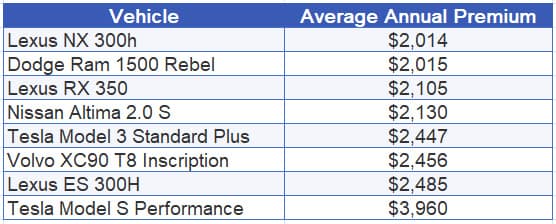
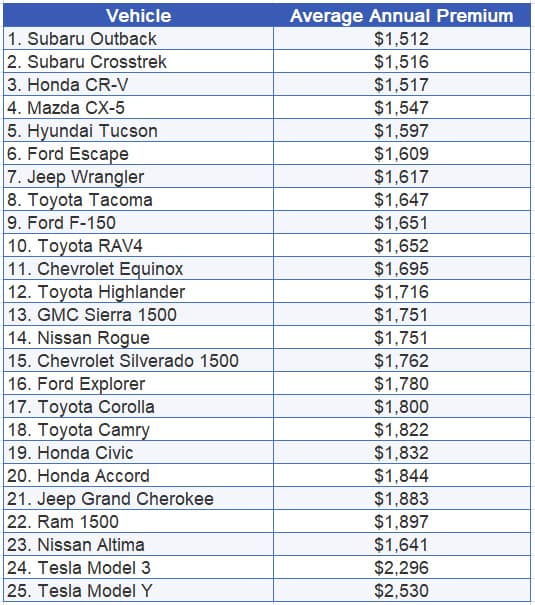
Policies are generally issued for six-month or one-year timeframes and are renewable. What is a premium? The premium is the amount you pay for an auto insurance policy. Insurance premiums for different types of insurance are determined using a diverse set of statistics and factors, such as age, health, credit rating, field of work, driving history, and geographic location. Your driving record will have the largest impact on your insurance premium. Premiums are paid in regular installments, such as monthly, quarterly, or semi-annually. Car insurance premiums may have discounts if paid in certain ways, such as in a lump sum or via automatic bank draft. Always ask insurance carriers whether they offer any such discounts. Who is covered under an auto insurance policy? An auto insurance policy follows a car — not a driver. For example, if someone borrows your car (whether for a few hours or a few years), that person is using your insurance policy. Laws do vary a bit from state to state. For example, a few states (Kansas, Michigan, New York, Virginia, and Wisconsin) do not allow you to exclude a driver from your policy. So in those states, if your spouse has a string of DUIs, he or she will be factored into your premium costs. However, maybe you have a young driver in the household who only is allowed to drive one particular car — let’s pretend that car isn’t the new GMC Sierra 1500 you’ve got parked in the garage. That young driver could have his or her own policy and not be an insured driver on the adult/family policy thus potentially saving money. If you habitually lend your car to someone, whether that person is a relative or friend, consider adding that person as a covered driver on your policy. And make a point to remember that if that person gets into an accident or has a DUI, it will be reflected in your insurance policy. Be sure to inquire about these kinds of situations with every insurance carrier providing you with a quote. What is the law in North Carolina? North Carolina Motor Vehicle Law requires that Automobile Liability coverage be continuously maintained. The minimum coverage requirements are $30,000 Bodily Injury for each person, $60,000 total Bodily Injury for all persons in an accident, and $25,000 for Property Damage. Motor Vehicle Law also requires Uninsured/ Underinsured Motorists coverage. Auto insurance policies with the minimum Bodily Injury and Property Damage limits are required to include Uninsured Motorists coverage. Policies with limits greater than the minimum must provide combined Uninsured/Underinsured Motorists coverage. What is Uninsured/Underinsured Motorist coverage? Uninsured Motorists (UM) Coverage will provide protection when an uninsured driver, who is at-fault, injures you or another covered individual. It also provides property damage coverage. Underinsured Motorists (UIM) Coverage will provide protection when an underinsured driver, who is at fault, causes injury to a covered individual. An underinsured driver is one whose limits of liability are less than your UIM limits, and not enough to cover the losses of the people the underinsured driver injures in an at-fault accident. What is GAP Insurance? Guaranteed Auto Protection insurance is the difference between the actual cash value of a vehicle and the balance still owed on the financing. For example, let’s say you financed a car for $25,000. Over time you paid off $2,000 of the loan. Then you had an accident. It may be the case that while you still owe $23,000 on your car, its actual cash value is only $19,000 — a $4,000 gap. If you have gap insurance, it can help you cover the $4,000 gap between what you owe on your loan and what your car is worth, after your deductible. GAP insurance only covers damage to your vehicle, not other property or bodily injuries resulting from an accident. A GAP policy will not cover your deductible. It is only used in the event of a total loss from a covered accident, not for mechanical repairs. GAP coverage is mainly used on new and used small vehicles and heavy trucks that are being leased or on which payments are being made. Several insurers sell GAP insurance including Allstate, State Farm, Progressive, and AAA, although it may be called loan/lease gap coverage, or new car replacement coverage. What is the best way to shop for car insurance? Most states have a buyer's guide for auto insurance to get you started. Consider what your needs will most likely be — are you a commuter in work traffic or a Sunday driver? Are you towing farm equipment or carting the family to soccer practice? Consider using the following resources to narrow down which companies you’ll want to ask for a quote: Also consider whether you have access to any discounts through special memberships. Various professional, civic, and recreational organizations offer discounts, such as American Business Women’s Association, Mary Kay, National Federation of Federal Employees, AARP, and BJ’s Wholesale Club. (Remember that there are discounts to be had for multi-car coverage, bundling policies such as homeowners or renters, and various programs such as driver monitoring.) You may also wish to look for a local agent to be your primary point of contact. Independent agents can offer policies from several insurance companies while providing you with personal service. This way no matter if you stick with one insurance carrier for years or make a change whenever your personal situation changes, you have greater continuity in terms of an agent who knows you and your needs. What’s the best way to compare car insurance policies? Comparing the fine print details of policies can get overwhelming fast. Remember that coverage is often sold with a per-person and total-per-loss-maximum amount. For example, 100/300/50 coverage means you have coverage of $100,000 bodily injury liability insurance per person, $300,000 total bodily injury liability insurance per accident, and $50,000 property damage liability per accident. In North Carolina the minimum is 30/60/25. Decide what kind of deductible you want, i.e. $500 or $1,000. Decide whether you want things like towing and labor coverage, or if you don’t need it because you already belong to an organization like AAA. Be clear about what you need covered, whether it’s one car or two cars, or one car and a motorcycle and a golf cart and an RV (bundles bring discounts). Once you can get quotes to be as “apples to apples” as possible, then you can determine which quotes are worth pursuing further. Don’t be afraid to ask questions and have your agent run numbers on a few different configurations, like changing the deductible, paying in a lump sum vs. monthly, or scraping optional add-ons like rental reimbursement coverage. It’s an agent’s job to work with you to find the best options! How do I keep my insurance premiums from going up? Drive safe. In North Carolina speeding 10 mph or less over a speed limit under 55 mph can result in a 30-percent rate increase. Speeding 10 mph or less over the speed limit at 55 mph or higher will increase rates by 45-percent. Passing a stopped school bus can result in an 80-percent increase. Aggressive driving may raise your rates by 195 percent, while a DUI or racing brings a whopping 340-percent rate increase. Also know that certain cars cost more to insure than others. The Insurance Institute of Highway Safety, a nonprofit research organization funded by auto insurers, collects data on insurance claim frequency and insurance cost per vehicle. In a given year, insurance companies make claim payments of roughly $900 on average per vehicle. Some vehicles get into more accidents, and some have higher payouts for each accident. As it turns out, many of the cars that are most expensive to insure are large or midsize luxury vehicles, while the least expensive to insure are small to midsize SUVs. Forbes ranked these models as the most expensive to insure in 2023:             NerdWallet 2023 ranked the 25 best-selling models that were least expensive to insure:Least Expensive Cars to Insure                               No matter what kind of car you are considering buying, new or used, Liberty Buick GMC can help find what’s right for you. Come visit us at 9028 E Independence Blvd, Matthews, NC 28105. Plus you can always find us online at clickliberty.com or give us a call to schedule a test drive at 704-708-8000.

Posted in:

Related Posts

family friendly jpg

Family-Friendly Auto Service With Straight Answers You Can Trust

Professional Tips and Straight Talk from Top Mechanics on Preventing Dangerous Breakdowns Keeping your family safe on the road starts with being able to trust where you take your vehicle for service. Too many women delay important car care because walking into a service department feels uncomfortable, rushed, or intimidating. When that happens, small warning signs get ignored, and preventable issues can turn into stressful roadside emergencies. A service center should make you feel welcome, respected, and informed, not pressured or talked down to. At Liberty Buick GMC, auto service is built around straight answers and real-world support. This practical service guide offers expert advice from our in-house, experienced mechanics. We see the same dangerous problems every day and know which issues matter most. Keeping your family safe on the road is not just about routine maintenance. It is about avoiding the kind of breakdowns that always seem to happen at the worst possible time, often with kids in the back seat. Unfortunately, putting off critical car care can turn a manageable issue into a preventable roadside emergency. We have identified three of the most dangerous service issues that commonly leave drivers stranded on the side of the road. This service guide is informed by conversations with experienced, top-level Liberty Buick GMC mechanics who consistently see the same preventable problems. When these issues are addressed early, they help protect you and your family and keep small repairs from turning into emergencies. Two of the most serious issues service advisors see involve ball joints and tie rods, which are critical components of your vehicle’s steering and suspension system. A ball joint acts like a pivot point, connecting the control arm to the steering knuckle and allowing your wheels to move smoothly as you steer and drive over bumps. Tie rods connect your steering system to the wheels, translating your steering wheel input into actual movement of the tires. When ball joints or tie rods begin to wear, the warning signs can be subtle at first. You may notice clunking sounds when turning, uneven tire wear, loose or wandering steering, or vibrations in the steering wheel. Left unchecked, these components can fail completely. A failed tie rod can cause sudden loss of steering control. A failed ball joint can allow the wheel to collapse outward or separate from the suspension entirely. If steering failure happens at highway speed or while navigating traffic, the consequences can be frightening and dangerous. Losing the ability to steer means losing control of where your vehicle goes. It can result in an abrupt pull into another lane, a loss of control during a turn, or an inability to avoid an obstacle. These are not minor repairs. They are critical safety issues that should be addressed immediately when identified. Battery health is another common issue that drivers often underestimate. A weakening battery rarely fails at a convenient time. It tends to leave drivers stranded early in the morning, late at night, or in extreme weather. Warning signs like slow engine cranking, dimming lights, or dashboard alerts should never be ignored. Liberty Buick GMC offers free battery checks, and asking about battery health during routine service can prevent a stressful breakdown. Family Friendly Auto Service Center At Liberty Buick GMC, service is designed around real life. Whether you are a busy mom, a professional balancing work and family, or an executive with a packed schedule, car care should never be ignored because of discomfort or inconvenience. Liberty’s service department focuses on being welcoming, respectful, and efficient, with solutions that fit your day so taking care of your vehicle feels simple instead of stressful. Scott Shirley, Head Service Manager at Liberty Buick GMC, understands why many women feel uneasy when visiting a service department. He explains that the discomfort often comes from the belief that they do not know enough about their vehicle and fear being taken advantage of. In reality, many women arrive more prepared than they realize. They have researched symptoms and noticed changes in how their vehicle drives. Scott notes that modern vehicles are highly complex, relying on advanced computer systems that control everything from engine performance to safety features. Even expert technicians frequently need to research, test, and diagnose before pinpointing an issue. No one is expected to know everything about every vehicle, and at Liberty Buick GMC, questions are encouraged and explanations are given clearly and respectfully. A major reason Liberty stands apart is its culture. Across Scott McCorkle’s dealerships, women play important roles as mechanics, service advisors, and managers. That representation matters. It creates an environment where communication is better, concerns are taken seriously, and women feel comfortable and respected from the moment they arrive. Service at Liberty is about partnership, not pressure. The goal is not for women to become mechanics. The goal is confidence. When you understand why a repair matters, what the warning signs look like, and who you can trust, the service experience becomes far less intimidating. Liberty Buick GMC is committed to creating a service environment where women feel safe, respected, informed, and supported. If you have ever delayed service because it felt uncomfortable or inconvenient, consider this your reminder. Preventive care keeps families safe, avoids unnecessary stress, and protects your time. At Liberty Buick GMC, service is built around honesty, efficiency, and real-life flexibility, so you can take care of your vehicle, keep your family moving, and drive away with confidence. Schedule Your Next Service Appointment Today! Click To Schedule or Call 704-708-8000

How to Replace Your Windshield Wiper Blades Yourself | Are Expensive Wiper Blades Worth It?

It’s Hurricane Season! Replace Your Windshield Wiper Blades Today!

The humble windshield wiper blade often goes unnoticed until a torrential downpour hits or morning dew smears across your view. Yet, these essential components are your first line of defense against obscured vision, playing a critical role in your safety on the road. Worn-out wiper blades, characterized by streaking, chattering, or an inability to clear the glass effectively, dramatically reduce visibility, increasing reaction time and the risk of accidents, especially in adverse weather conditions like heavy rain, hurricanes, or even just a muddy splash from a passing vehicle. Prioritizing their replacement isn't just about comfort; it's about ensuring a clear line of sight for safe driving. Here's some insider tips from Liberty Buick GMC Service Manager, Scott Shirley Wiper blades are rubber and over time, endure a relentless assault from UV radiation, extreme temperatures, road debris, and regular use, all of which degrade the rubber or silicone element. This degradation causes the blade to harden, crack, or tear, losing its flexibility and ability to conform to the curvature of your windshield. A compromised blade can't maintain proper contact with the glass, leading to frustrating streaks, missed spots, and an irritating squealing noise. Ignoring these signs means you're driving with a built-in handicap, making every trip in less-than-perfect weather a potentially hazardous gamble. Regular inspection at the Liberty Buick GMC Service Department and timely replacement of your windshield wiper blades are simple, inexpensive acts of preventative maintenance that yield significant safety dividends. Most automotive experts recommend checking your blades every six months and replacing them at least once a year, or sooner if you notice any signs of wear. Don't wait until you're struggling to see through a downpour to realize your blades are failing. A fresh set of wipers ensures optimal clarity, allowing you to focus on the road ahead with confidence, knowing you have the best possible visibility in any driving condition. How to Replace Your Windshield Wiper Blades Yourself Replacing your windshield wiper blades is one of the simplest and most rewarding DIY car maintenance tasks, requiring minimal tools and no specialized mechanical skills. Before you begin, ensure you have the correct replacement blades for your vehicle's make, model, and year – refer to your car's manual or check an online parts finder. You'll typically need to lift the wiper arm away from the windshield until it locks into an upright position. For safety, some prefer to place a towel on the windshield beneath the arm in case it accidentally snaps back, preventing potential damage to the glass. Once the arm is secure, the next step involves detaching the old blade. Most modern vehicles use one of a few common attachment methods: a small tab that you press to release, a clip that you slide open, or a small pin that needs to be disengaged. Carefully observe how the old blade is connected to the arm; often, it slides off once a release mechanism is activated. Gently remove the old blade, noting its orientation, as the new blade will need to be installed in the same manner. Take a moment to clean the windshield thoroughly at this point, removing any grime that might immediately dirty your new blades. Installing the new blade is essentially the reverse of removal. Slide the new blade onto the wiper arm connector until it clicks securely into place. Give it a gentle tug to ensure it's firmly attached. Once both new blades are installed, carefully lower the wiper arms back onto the windshield. Before driving, test your new blades with some washer fluid to ensure they operate smoothly, quietly, and clear the windshield effectively without streaking. This simple, 10-minute task can dramatically improve your driving visibility and save you a trip to the service department. Are Expensive Wiper Blades Worth It? When browsing for replacement windshield wiper blades, you'll inevitably encounter a significant price range, from budget-friendly options to premium, high-performance blades. This often leads to the question: are more expensive wiper blades truly worth the investment? The answer, for many drivers, leans towards a qualified "yes," especially when considering factors like durability, performance in extreme conditions, and overall driving comfort. Premium blades often feature advanced materials like silicone, specialized rubber compounds, or aerodynamic designs that offer superior performance and a longer lifespan compared to their cheaper counterparts. Higher-priced wiper blades frequently boast features engineered for better performance and longevity. Silicone blades, for instance, are known for their enhanced resistance to UV light and extreme temperatures, creating a water-repellent barrier on your windshield over time, leading to less streaking and a clearer view. Beam blades, another premium option, utilize a spring steel tensioner that conforms precisely to the curvature of your windshield, distributing pressure evenly across the entire blade for consistent, streak-free wipes. These design advantages often translate to quieter operation, more effective clearing, and a reduced need for frequent replacements. Ultimately, the value of expensive wiper blades depends on your driving habits, local climate, and personal priorities. If you frequently drive in heavy rain, snow, or live in an area with intense sun exposure, the added durability and performance of a premium blade can significantly enhance safety and reduce frustration. While the initial outlay is higher, the extended lifespan and superior wiping performance can justify the cost, potentially saving you money and hassle in the long run by requiring fewer replacements. For drivers who prioritize optimal visibility and a smoother, quieter wiping experience, investing in higher-quality wiper blades is often a decision they won't regret.

Credit Score Rankings at the Dealership - What you need to know from expert Greg Mongelli

Why Your Credit Score at a Dealership Looks Different Than Credit Karma

If you’ve ever compared the credit score you see on Credit Karma to the one a dealership pulls when you apply for financing, you may have noticed a difference—sometimes a big one. That’s because car dealerships don’t use the same score you see on consumer apps. Instead, they rely on specialized credit scoring models required by banks and lenders that are designed specifically for auto loans. In this article, part of our Liberty Buick GMC series on debunking car-buying myths and sharing insider advice, we’ll explain why these scores are different, what a FICO Auto Score is, how the Equifax Beacon 9.0 Auto-Enhanced report works, and what steps you can take if your credit isn’t where you want it to be. What Is a FICO Auto Score? Most people are familiar with the FICO Score, which is used by banks, credit card companies, and mortgage lenders. But what many don’t realize is that there are multiple versions of FICO scores, and not all are created equal. A FICO Auto Score is a credit score designed specifically for auto lending. It considers the same core factors as a regular FICO Score—like payment history, amounts owed, length of credit history, credit mix, and new credit—but gives extra weight to how you’ve handled car loans in the past. For example, if you’ve consistently made on-time payments on a car loan, the FICO Auto Score will reflect that more positively than your general FICO score might. On the flip side, if you’ve had late car payments or repossessions, those will hurt your Auto Score more than they would your general score. FICO Auto Scores typically range from 250 to 900, unlike the standard FICO range of 300 to 850. Dealerships and lenders use these scores to better predict how likely you are to repay an auto loan. What Is the Equifax Beacon 9.0 Auto-Enhanced Report? At Liberty Buick GMC (and at most dealerships), the credit score used to secure financing is pulled from an Equifax Beacon 9.0 Auto-Enhanced report. This is an auto-specific credit scoring model that many banks and lenders require. Here’s what makes it different from the score you might see on Credit Karma: Credit Karma uses VantageScore, which is a consumer-friendly model designed to give you a general idea of your credit health. Lenders rarely use VantageScore to make lending decisions. Equifax Beacon 9.0 Auto-Enhanced is built for the auto industry. It looks at your overall credit history but emphasizes auto-related credit behavior—like past car loans, delinquencies, or repossessions. Because it’s “auto-enhanced,” this report often produces a score that is either higher or lower than what you see online, depending on your history with auto loans. In other words, your Credit Karma score might show you at 720, but your Beacon 9.0 Auto Score could come back at 660—or even higher, depending on your personal auto credit history. How to Improve Your Credit Score Before Buying a Car If you’re planning to purchase a new vehicle, improving your credit score can help you qualify for lower interest rates and better loan terms. Here are some practical steps: Pay bills on time. Your payment history is the single biggest factor in your score. Even one late payment can drop your score significantly. Pay down credit card balances. High utilization (using more than 30% of your available credit) can hurt your score. Avoid opening too many new accounts at once. Each hard inquiry can temporarily lower your score. Keep older accounts open. The length of your credit history matters—closing an old account can shorten your history and lower your score. Check your credit report for errors. Mistakes happen, and disputing inaccurate information can give your score an immediate boost. Buying a Car with Poor Credit If your credit score isn’t where you’d like it to be, that doesn’t mean you can’t buy a car—it just means the process might look a little different. Here’s what to expect if you’re shopping with less-than-perfect credit: Higher interest rates. Lenders will often approve the loan but at a higher rate to offset risk. Larger down payment. Putting more money down reduces the amount financed and can help you qualify. Shorter loan terms. Lenders may limit repayment to fewer years. Proof of income. Be prepared to provide recent pay stubs, tax returns, or bank statements. Proof of residence. Utility bills or lease agreements may be required to confirm stability. Co-signer option. Having a co-signer with stronger credit can sometimes secure better terms. While these requirements might seem challenging, many buyers with poor credit are able to finance vehicles successfully—especially when working with a dealership that partners with multiple lenders. The Bottom Line The score you see on Credit Karma is useful for tracking trends, but it’s not the same score lenders use when you apply for a car loan. At Liberty Buick GMC, we (and most dealerships) use the Equifax Beacon 9.0 Auto-Enhanced report, which provides lenders with a more accurate picture of how you’ve handled auto credit in the past. By understanding the difference between consumer credit scores and auto-specific scores, you can be better prepared, avoid surprises, and take steps to improve your score before buying. When you’re ready, our team here at Liberty Buick GMC is here to guide you through the process—making sure you get the financing that fits your budget, and the vehicle that fits your life.